Travel in the Time of COVID-19
Restaurants and bars are closing their community spaces, parks and other public spaces are off limits, gatherings in general are being discouraged…it even feels wrong to have a face-to-face conversation with your neighbor. For many of us, it’s not hyperbole to say life as we know it has been paused. Some are using this as a time to take a step back and clear their head, to spend time with family, and to unplug from a world that just a few weeks ago was screaming along at a seemingly uncontrollable pace.
For some people, finding a strong internet connection to work remotely is the least of their worries. They can’t simply “take a step back” and “enjoy the downtime.” While our economy and our social lives may have come to a halt, life continues. What do you do if you must travel? Is it safe? Below is some information to help you navigate through today’s reality.
What Are Airlines Doing to Keep Me Safe?
Airlines are going above and beyond to ensure their planes are cleaner than ever and that their employees are following the most stringent of hygiene and sanitation guidelines. The health, safety, and well-being of their travelers is of paramount concern, and airlines have implemented numerous enhanced sanitation measures. And with very few people flying right now, you’re likely to experience limited contact with others on the plane and in the airport.
Complete information on what each major US airline is doing to maintain the utmost cleanliness and sanitation can be found below:
What Are Hotels Doing to Keep Me Safe?
Like the airlines, hotel chains are also implementing enhanced sanitation and disinfecting measures to help protect their guests. From more frequent cleanings of high-touch surfaces and common areas (think elevators, door handles, lobbies, and restrooms) and providing more hand sanitizer stations for both employees and guests, hotels are doing their part to provide a stress-free stay for those who have to travel right now. It’s important to note that most hotels already follow very strict cleaning and disinfecting protocols, such as using hospital-grade disinfectants, and will continue to do so.
More information on cleaning practices from some of the most popular hotel chains, as well as industry measures as a whole, can be found below:
- Choice Hotels
- IHG
- Hilton
- Hyatt
- Marriott International
- Omni Hotels & Resorts
- Radisson Hotels
- Wyndham Hotels
- Additional hotel info
If You Must Travel, What Are Suggested Best Practices?
To help protect yourself and others when you’re on the road or in the air, everyone must do their part. Below are suggested best practices to follow right now:
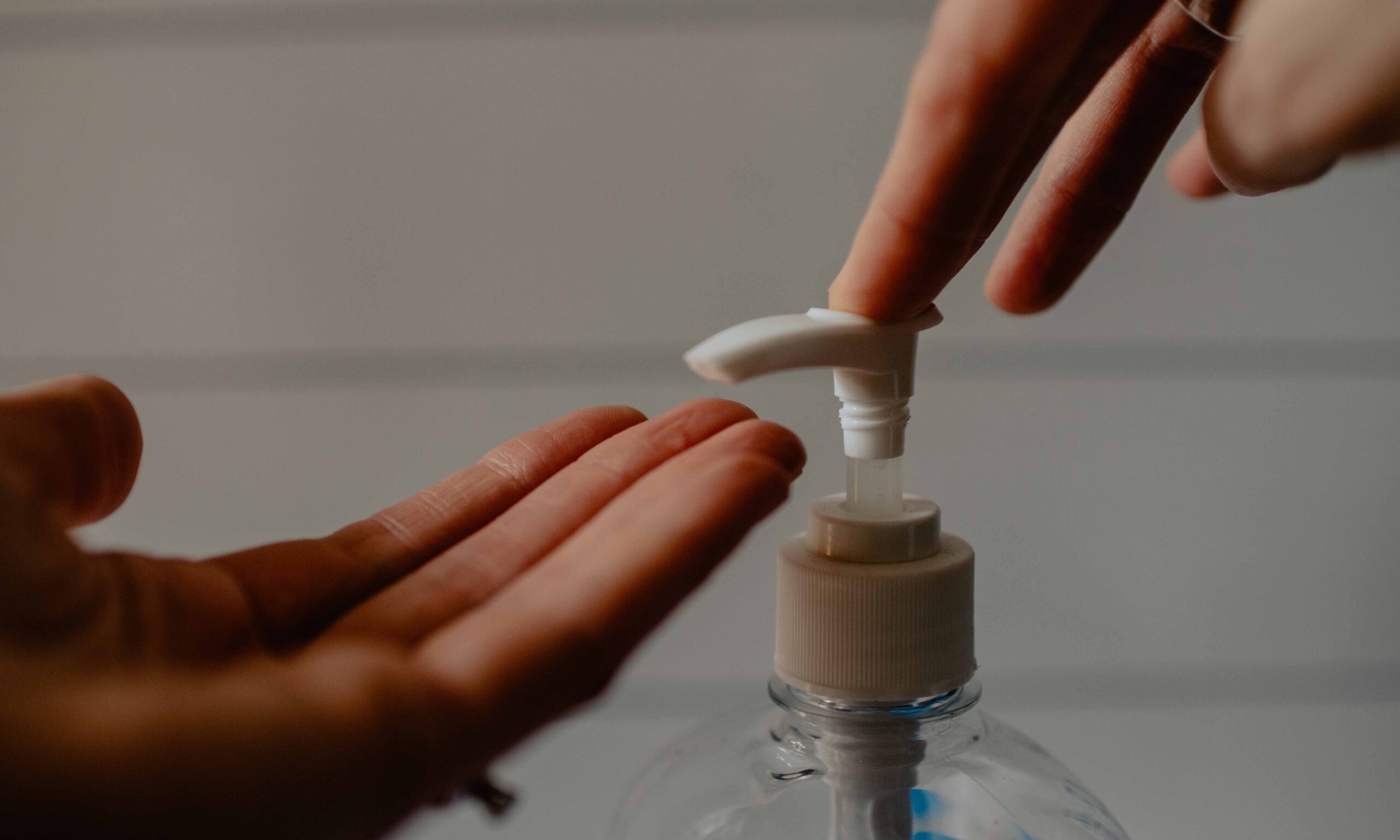
- Wash your hands regularly and for at least 20 seconds. There’s no telling what’s lurking on your hands! If soap and water isn’t available, use hand sanitizer that’s at least 60% alcohol.
- Don’t touch anything you don’t have to—assume everything is contaminated.
- Don’t touch your face, ever. Especially your eyes, nose, and mouth.
- If you must touch your face, be mindful to not touch any surfaces or objects after.
- Do your best to stay at least six feet away from other people
- Avoid unnecessary contact—absolutely no handshaking.
- Disinfect garments as often as possible.
- Cough and sneeze into your elbow.
You’ve Made an Informed Decision, Now Travel Confidently.
With the right knowledge, precautions, and best practices, you can travel confidently. And if we all do our part, life (and travel) will be back to normal soon.
For a collection of the most up-to-date information related to travel and the COVID-19 situation, please visit the ADTRAV Resources page.